
The email looks like good news.
“Your interview has been scheduled.”
There is a date, a time and a blue meeting link. Underneath that, very little else.
No name for the person conducting it. No indication of how long it will take. Nothing about the questions or whether documents need to be ready.
Just the link.
The first response is relief. An interview means the application has moved. Somebody has read it. The certificates, translations and references made it through whatever happened behind the portal.
Then the questions start.
Is the time local?
Should the camera be on?
Will there be one interviewer or a panel?
Is this a formal selection interview or simply another document check?
The email is read again because the missing information feels as though it must be hidden somewhere. It isn’t.
There may be an attachment with the same date and meeting link. Sometimes there is a sentence asking the applicant to join ten minutes early. That is all.
Preparation becomes difficult when nobody has explained what is being prepared for.
The safest option seems to be preparing for everything.
The application is opened again. So is the personal statement. The programme website gets another visit even though most of it was read before applying.
Possible questions are written down.
Why did you choose this course?
What do you hope to do afterwards?
Why should you receive the scholarship?
Those questions are expected. It is the smaller ones that cause trouble. The date on an old certificate. A gap between two courses. Why one document has a slightly different spelling of a name.
A folder appears beside the laptop with copies of everything that has already been uploaded. This includes documents that nobody has mentioned and probably nobody will ask to see.
The meeting link is tested the night before.
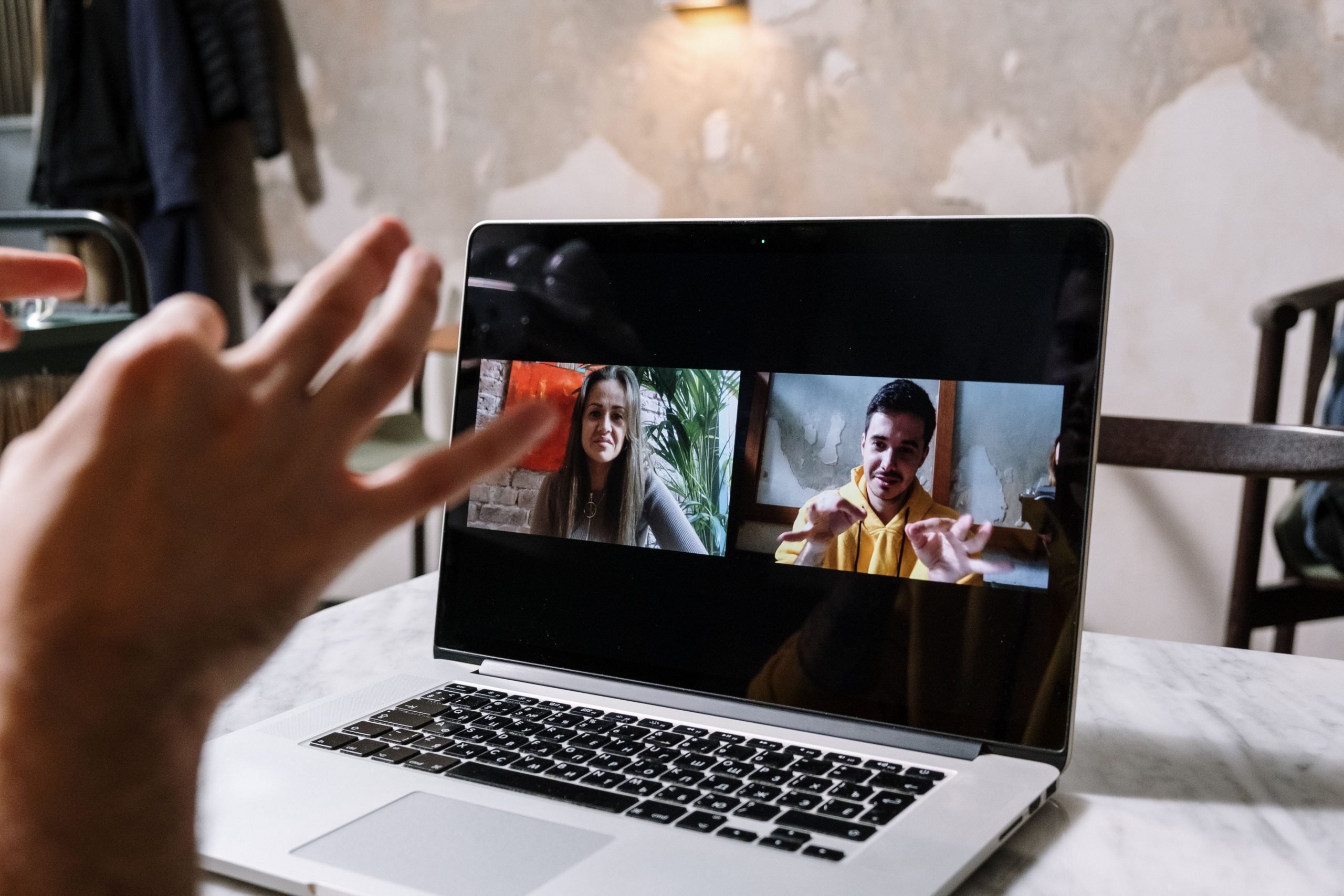
It opens a page asking for permission to use the microphone. Then the camera. A small version of the applicant appears on the screen looking far less prepared than they felt five minutes earlier.
The laptop gets moved.
Then moved back.
The background is checked for anything distracting. The connection seems fine but gets tested again anyway.
By the morning of the interview, the meeting link has become the most important line in the email.
It is clicked too early.
The screen says the host has not started the meeting.
That is better than being late but it creates a new kind of waiting. There is nothing useful to do except look at your own face and wonder whether the microphone is working.
Eventually the screen changes.
Sometimes one person appears. Sometimes there are several names and only one camera is switched on. There is a brief exchange about sound quality followed by the question that no amount of document preparation quite answers:
“Could you tell us a little about yourself?”
The interview may last twelve minutes. It may take nearly an hour. A panel that looked severe can turn out to be friendly. A casual conversation can suddenly include a very precise question about funding or future plans.
Then it ends.
Someone says they will be in touch. The meeting window closes and the applicant is back at the same desk with the folder still unopened beside the laptop.
There is no immediate sense of how it went.
One answer is replayed because it felt too long. Another seems incomplete. The question that appeared simple now has six better answers.
Then the waiting starts again.
It is familiar by now. The same waiting that follows a document upload or a conditional acceptance letter, except this time there is no portal status to refresh.
Only the inbox and an interview link that no longer opens anything useful.